VietnamWar.com

Education / Vietnam veterans in politics

Vietnam veterans in politics

Many Americans who served in Vietnam later held public office. Their experiences shaped how they thought about war, veterans and the use of American power. Here are ten of them, from both parties, with John McCain first.

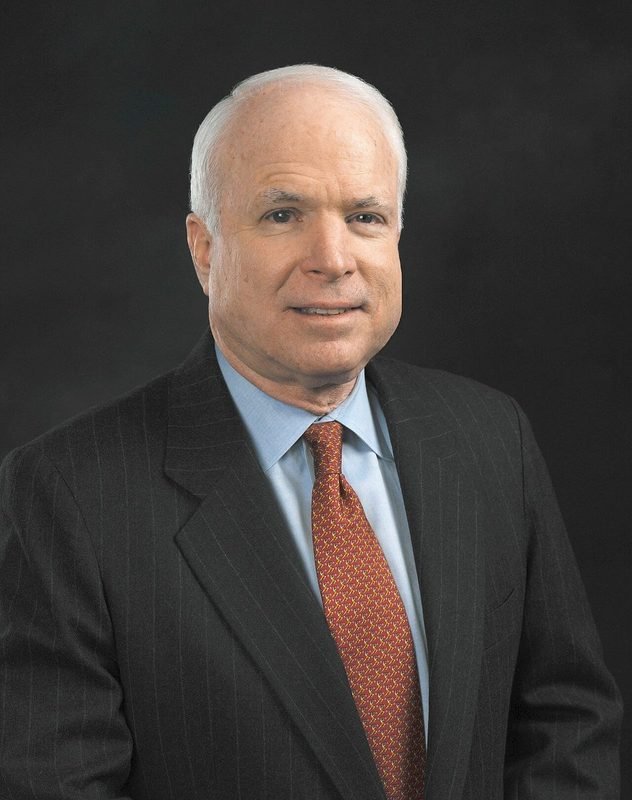
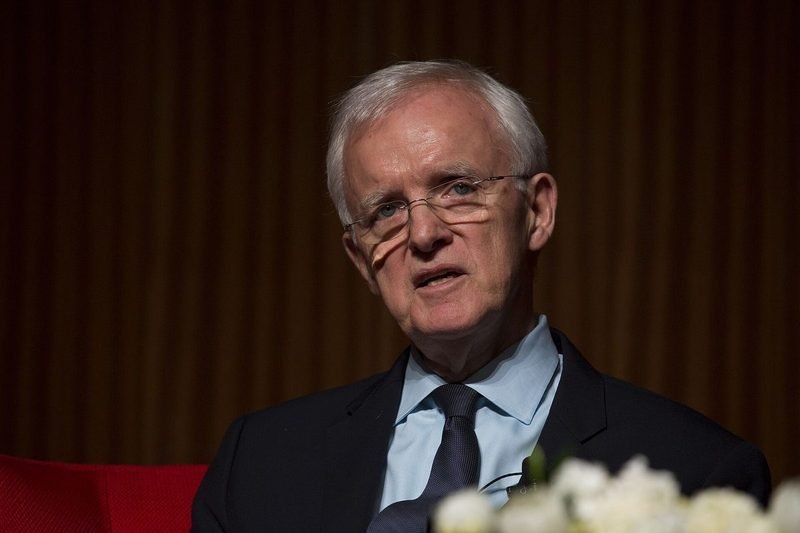
John McCain — Photo: United States Congress, public domain

John McCain

Navy pilot · U.S. Senator from Arizona

In the war. A Navy pilot who flew the A-4 Skyhawk from an aircraft carrier. He was shot down over Hanoi on October 26, 1967, on his 23rd bombing mission, and was held as a prisoner of war until March 14, 1973, about five and a half years. His awards include the Silver Star, the Distinguished Flying Cross and the Purple Heart.

In politics. Served in the U.S. House of Representatives from Arizona from 1983 to 1987 and in the U.S. Senate from 1987 until his death on August 25, 2018. He ran for the Republican presidential nomination in 2000 and was the party’s nominee in 2008. As a member of the Senate committee on POW/MIA affairs in 1991–93, he helped pave the way for the normalization of U.S. relations with Vietnam in 1995.
See also: The A-4 Skyhawk

Source: Wikipedia, John McCain

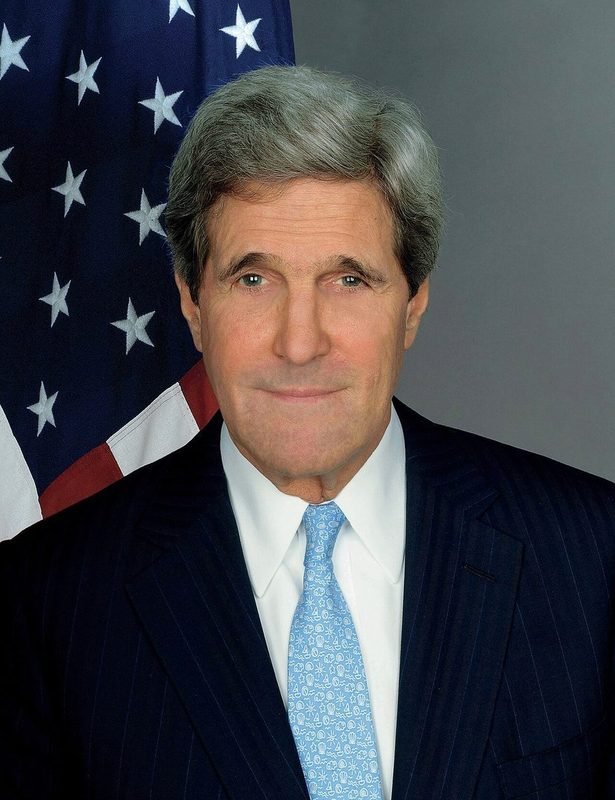
John Kerry — Photo: Department of State, public domain

John Kerry

Navy officer · Senator and Secretary of State

In the war. A Navy officer who commanded a gunboat in the Mekong Delta in 1968–69. He received the Silver Star, the Bronze Star and three Purple Hearts.

In politics. After returning home, he became a spokesman for Vietnam Veterans Against the War and testified before the Senate Foreign Relations Committee in 1971. He served as U.S. Senator from Massachusetts from 1985 to 2013 and was the Democratic nominee for president in 2004, losing narrowly to George W. Bush. His Vietnam record became a subject of dispute in that campaign. He was Secretary of State from 2013 to 2017 and the president’s special envoy for climate from 2021 to 2024.

See also: Kerry’s 1971 testimony

Source: Britannica, John Kerry

Bob Kerrey — Photo: LBJ Library, public domain

Bob Kerrey

Navy SEAL · Governor and Senator from Nebraska

In the war. A Navy SEAL lieutenant with SEAL Team One. On March 14, 1969, near Nha Trang Bay, he led a team against a Viet Cong group. A grenade seriously wounded him, and he lost the lower part of his right leg, but he kept directing his men until he was evacuated. President Nixon presented him with the Medal of Honor on May 14, 1970. In 2001, reports about a February 1969 raid on the village of Thanh Phong, in which civilians died, drew national attention. Kerrey called it a tragedy, and accounts from other participants and villagers differ from his.

In politics. Governor of Nebraska from 1983 to 1987 and U.S. Senator from Nebraska from 1989 to 2001, both as a Democrat. He ran for president in 1992, was president of The New School in New York from 2001 to 2010, and served on the 9/11 Commission.

Source: Wikipedia, Bob Kerrey

Jim Webb — Photo: Rob Shenk from Great Falls, VA, USA, CC BY-SA 2.0

Jim Webb

Marine officer · Secretary of the Navy and Senator

In the war. A Marine platoon commander with Delta Company, 1st Battalion, 5th Marines. He earned the Navy Cross for actions on July 10, 1969, as well as the Silver Star, two Bronze Stars and two Purple Hearts, and was wounded in combat.

In politics. Assistant Secretary of Defense for Reserve Affairs from 1984 to 1987 and Secretary of the Navy from 1987 to 1988, when he resigned after disagreeing with plans to shrink the fleet. He represented Virginia in the U.S. Senate from 2007 to 2013, first elected as a Democrat after earlier years as a Republican. He is also a novelist, best known for the Vietnam novel Fields of Fire (1978).

Source: Wikipedia, Jim Webb

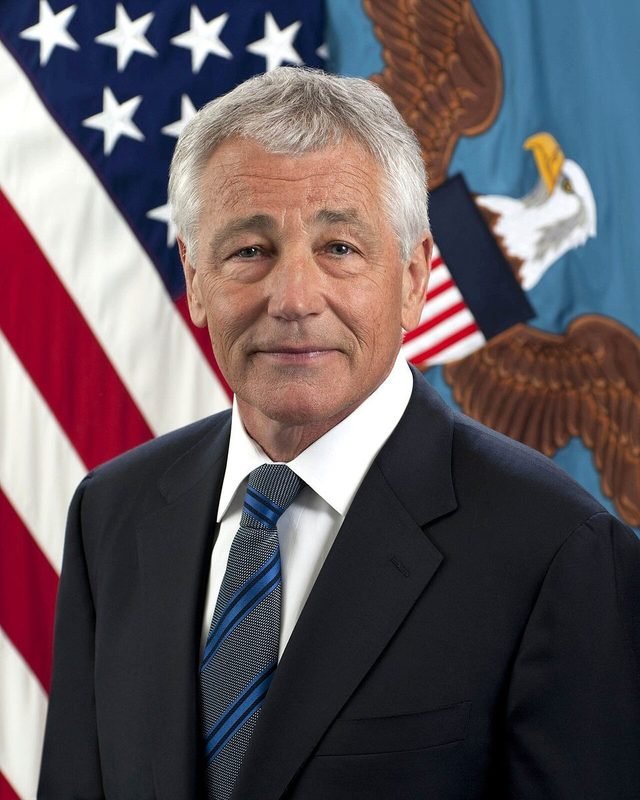
Chuck Hagel — Photo: Monica King, U.S. Army, public domain

Chuck Hagel

Army sergeant · Senator and Secretary of Defense

In the war. An Army infantry squad leader (sergeant) with the 9th Infantry Division in 1967–68. He was wounded in action and received two Purple Hearts and the Combat Infantryman Badge.

In politics. U.S. Senator from Nebraska as a Republican from 1997 to 2009. President Obama nominated him as Secretary of Defense, and he served from February 2013 to early 2015, becoming the first former enlisted combat soldier to hold that office.

Source: Wikipedia, Chuck Hagel

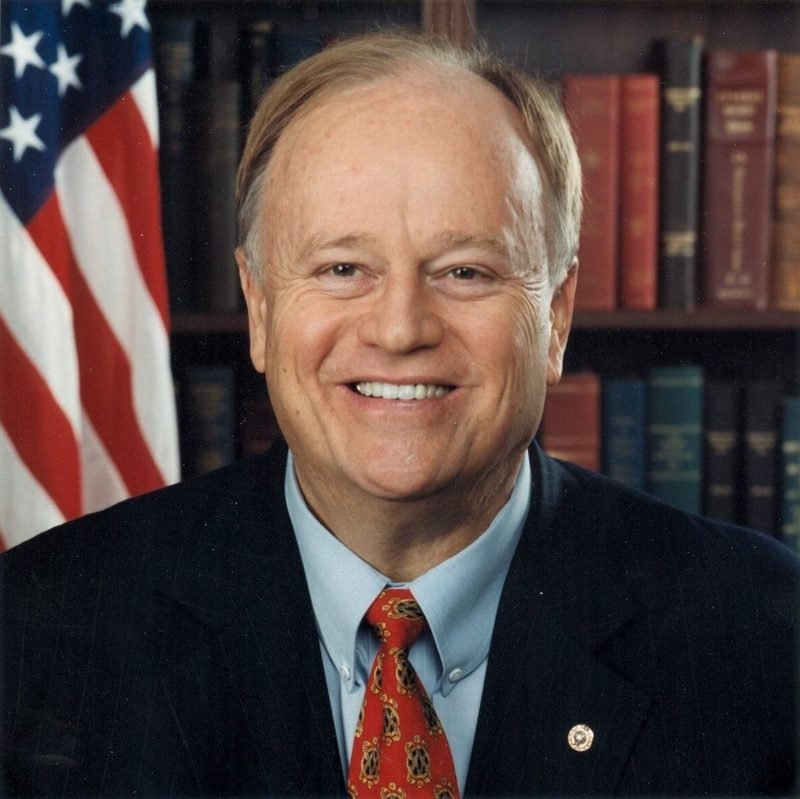
Max Cleland — Photo: Wikimedia Commons, public domain

Max Cleland

Army captain · Senator from Georgia

In the war. An Army captain who served near Khe Sanh and earned the Silver Star on April 4, 1968, for helping wounded soldiers under rocket fire. Four days later, on about April 8, a grenade exploded as he stepped from a helicopter, and he lost both legs and his right arm.

In politics. At 28, he became the youngest member of the Georgia state Senate. President Carter appointed him head of the Veterans Administration in 1977. He was elected U.S. Senator from Georgia in 1996 and lost his seat in 2002. He died on November 9, 2021, at age 79.

Source: HistoryNet, Max Cleland

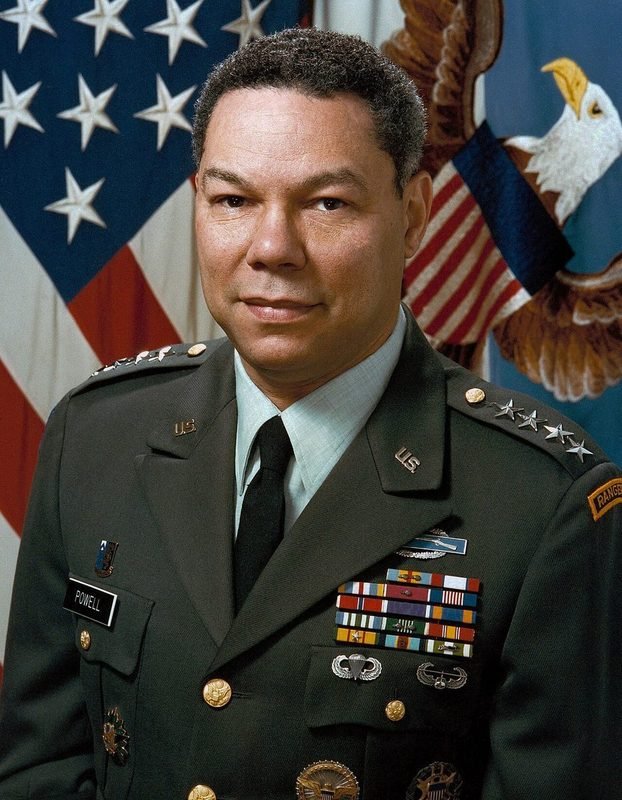
Colin Powell — Photo: Russell Roederer, public domain

Colin Powell

Army officer · Secretary of State

In the war. Served two tours. In 1962–63 he was an adviser to South Vietnamese troops and was wounded. In 1968–69 he was a staff officer with the Americal Division. On November 16, 1968, a helicopter carrying his commander crashed. He went back into the wreckage several times to pull people out, and received the Soldier’s Medal. He also received the Bronze Star and the Purple Heart.

In politics. Became national security adviser, then Chairman of the Joint Chiefs of Staff, and later Secretary of State from 2001 to 2005. He was the first Black person to hold each of those jobs. He believed the lesson of Vietnam was that force should be a last resort and, when used, should be overwhelming and decisive, a view often called the Powell Doctrine. He died in 2021.

Source: HISTORY.com, Colin Powell in Vietnam

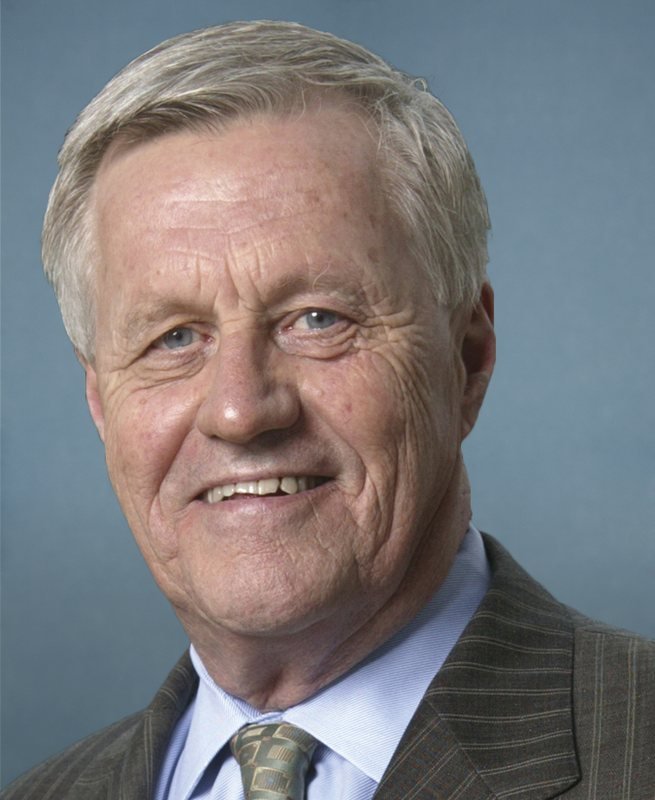
Pete Peterson — Photo: U.S. Congress, public domain

Pete Peterson

Air Force pilot · Congressman and first U.S. ambassador to Vietnam

In the war. An Air Force pilot with the 433rd Tactical Fighter Squadron. His F-4 Phantom II was shot down on September 10, 1966. He was held as a prisoner of war for more than six years and was released on March 4, 1973.

In politics. U.S. Representative from Florida as a Democrat from 1991 to 1997. In 1997, he became the first U.S. ambassador to Vietnam since the war, and served until 2001, helping to rebuild ties between the two countries.

See also: The F-4 Phantom II

Source: Wikipedia, Pete Peterson

Al Gore — Photo: Unknown photographer, public domain

Al Gore

Army journalist · Vice President

In the war. Enlisted in the Army and served from 1969 to 1971. He worked as a military journalist with the 20th Engineer Brigade at Bien Hoa, and was in Vietnam in 1971.

In politics. U.S. Representative from Tennessee from 1977 to 1985, Senator from 1985 to 1993, and Vice President under Bill Clinton from 1993 to 2001. He lost the 2000 presidential election to George W. Bush in the Electoral College, 271 to 266, while winning the popular vote. He shared the 2007 Nobel Peace Prize for his work on climate change.

Source: Wikipedia, Al Gore

Sam Johnson — Photo: Air Force photo/Senior Airman Nicolas Caceres, public domain

Sam Johnson

Air Force pilot · Congressman from Texas

In the war. An Air Force fighter pilot. He was shot down over North Vietnam on April 16, 1966, on his 25th combat mission, and was held as a prisoner of war for nearly seven years. He was released on February 12, 1973, in Operation Homecoming, and retired from the Air Force as a colonel.

In politics. U.S. Representative from Texas as a Republican from 1991 to 2019. He died on May 27, 2020, at age 89.

Source: Wikipedia, Sam Johnson

Facts and dates come from the sources linked in each entry. Political opinions about these figures differ widely, and this page describes their service and public careers without taking sides. See something to correct? Email us.

More: Equipment · Veterans in politics · Famous veterans · Protesters · Women in the war · Timeline