VietnamWar.com

Education / Famous protesters of the Vietnam War

Famous protesters of the Vietnam War

Opposition to the Vietnam War grew through the 1960s and early 1970s. It came from students, clergy, scientists, entertainers, civil rights leaders and veterans, and it took many forms, from marches and songs to refusing the draft. Americans were deeply divided: many supported the war and criticized the protesters, and many veterans saw things differently from one another.

This page describes ten well-known opponents and the reasons they gave. It does not take a side.

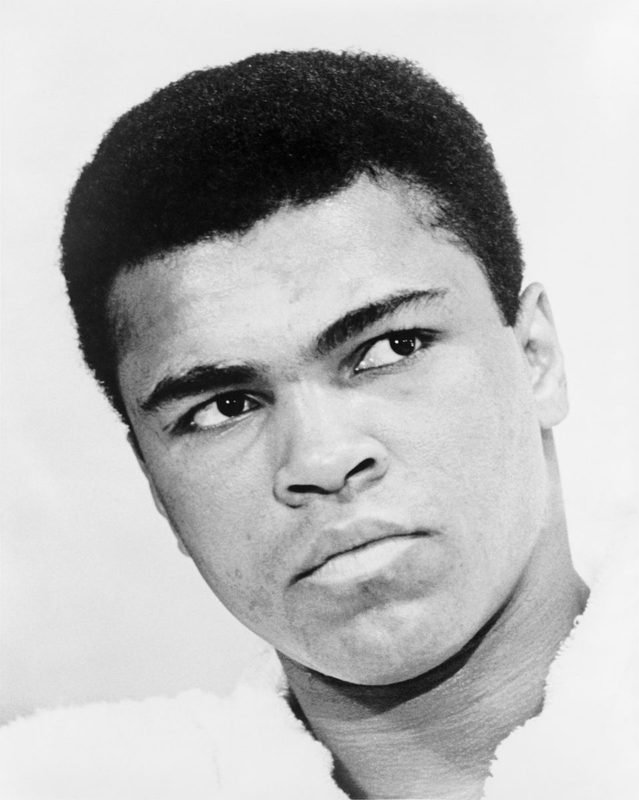
Muhammad Ali — Photo: Ira Rosenberg, public domain

Muhammad Ali

Heavyweight boxing champion

Who they were. Born Cassius Clay, he won the heavyweight title in 1964 and took the name Muhammad Ali after joining the Nation of Islam. On April 28, 1967, he refused to be inducted into the U.S. Army.

Their objection. Ali said he objected on religious grounds, as a minister of the Nation of Islam. He was convicted of draft evasion in June 1967, and was stripped of his heavyweight title and his boxing license. He did not fight for more than three years at the peak of his career. In June 1971, the U.S. Supreme Court ruled 8–0 in his favor in Clay v. United States, on narrow legal grounds about how his claim as a conscientious objector had been handled. He died in 2016.
Source: National Constitution Center, Ali’s Supreme Court decision

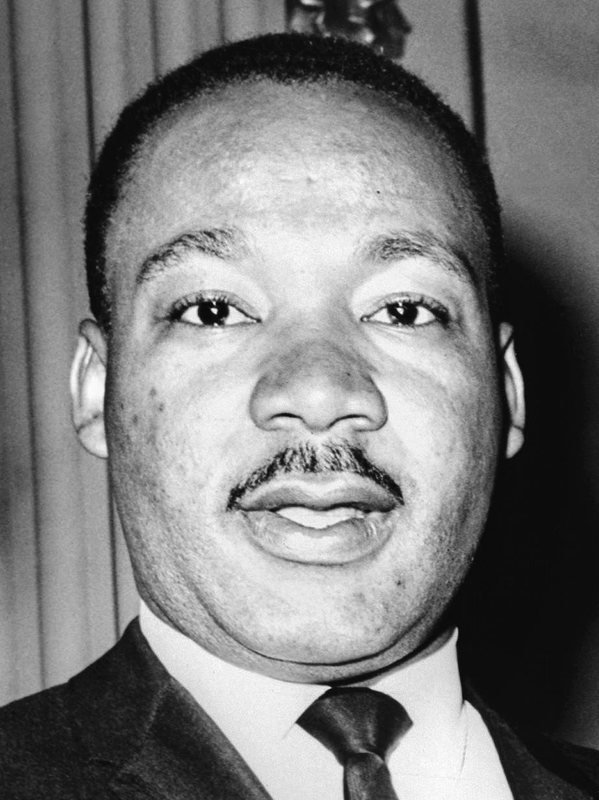
Martin Luther King Jr. — Photo: Dick DeMarsico, World Telegram & Sun, public domain

Martin Luther King Jr.

Civil rights leader and minister

Who they were. The leader of the civil rights movement. On April 4, 1967, he spoke against the war at Riverside Church in New York City, in a speech titled “Beyond Vietnam: A Time to Break Silence,” to a crowd of more than 3,000.

Their objection. King said his conscience left him no other choice. He argued that the war harmed the poor in both countries, that it drew money and attention away from the fight against poverty at home, and that the nation needed what he called “a radical revolution of values.” He called for a halt to the bombing and for talks. The speech drew sharp criticism from major newspapers and some civil rights allies. He was assassinated exactly one year later, on April 4, 1968.

Source: Stanford King Institute, Beyond Vietnam

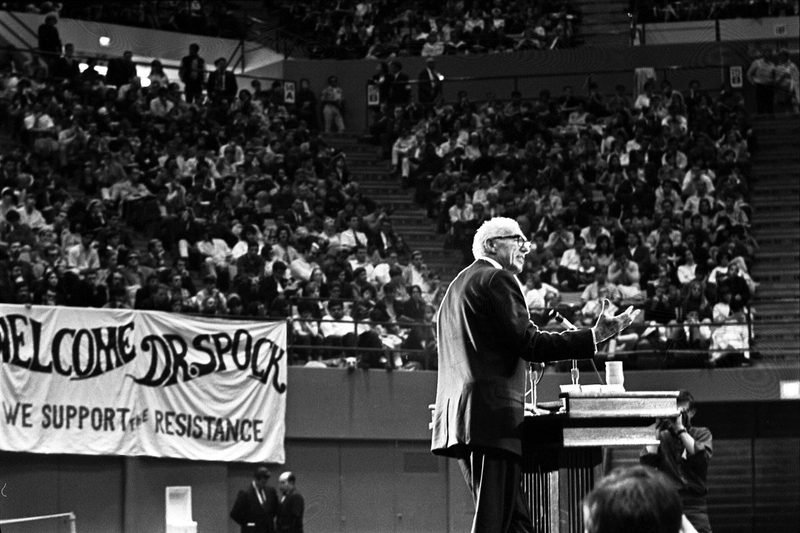
Dr. Benjamin Spock — Photo: John Malmin, Los Angeles Times, CC BY 4.0

Dr. Benjamin Spock

Pediatrician and author

Who they were. The author of The Common Sense Book of Baby and Child Care, one of the best-selling books of the century, and a prominent antiwar activist.

Their objection. Spock believed the war was unjust and supported young men who refused to be drafted. In 1967 he signed “A Call to Resist Illegitimate Authority.” On June 14, 1968, a federal jury in Boston convicted him and three others, including Yale chaplain William Sloane Coffin Jr., of conspiring to counsel draft evasion. Their convictions were overturned in 1969.

Source: HISTORY.com, Dr. Spock convicted

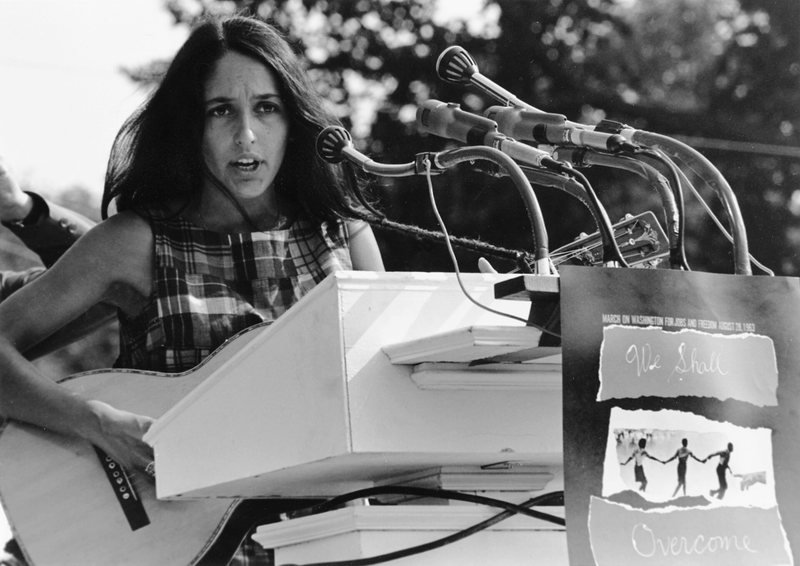
Joan Baez — Photo: Rowland Scherman, U.S. Information Agency, public domain

Joan Baez

Folk singer

Who they were. A folk singer who came to fame in the early 1960s and who sang at civil rights and antiwar events.

Their objection. Baez was committed to nonviolence and objected to the war and the draft on those grounds. She co-founded the Institute for the Study of Nonviolence, took part in draft-resistance protests, was arrested in 1967 during protests at the Oakland induction center, and traveled to Hanoi in December 1972.

Source: Britannica, Joan Baez

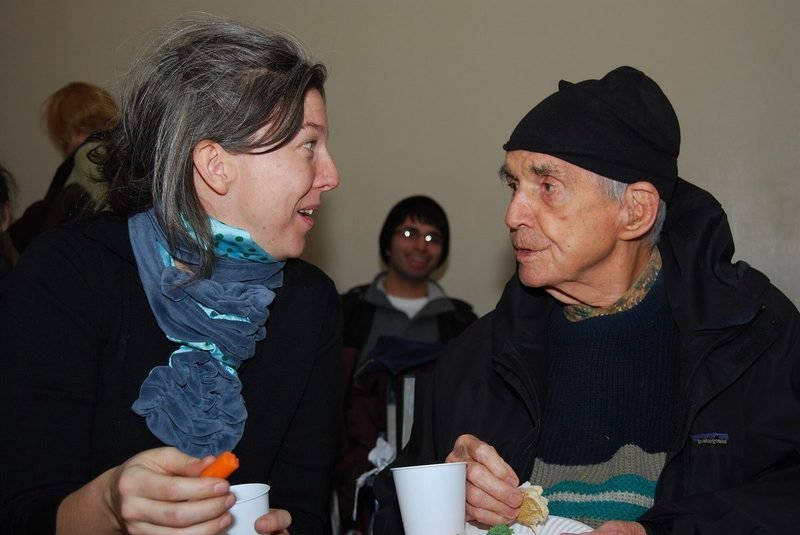
Daniel Berrigan — Photo: Thomas Good, CC BY-SA 4.0

Daniel Berrigan

Jesuit priest and poet

Who they were. A Catholic priest and poet who became one of the best-known religious opponents of the war.

Their objection. On May 17, 1968, Berrigan and eight others, known as the Catonsville Nine, took draft records for nearly 400 men from a draft board in Catonsville, Maryland, and burned them in the parking lot with homemade napalm. They waited to be arrested. They said the war and the draft were immoral and that the Church had been too quiet. After they were convicted, Berrigan went underground for a time before he was caught. More than 40 similar draft-record protests followed over the next four years.

Source: Baltimore Magazine, The Catonsville Nine

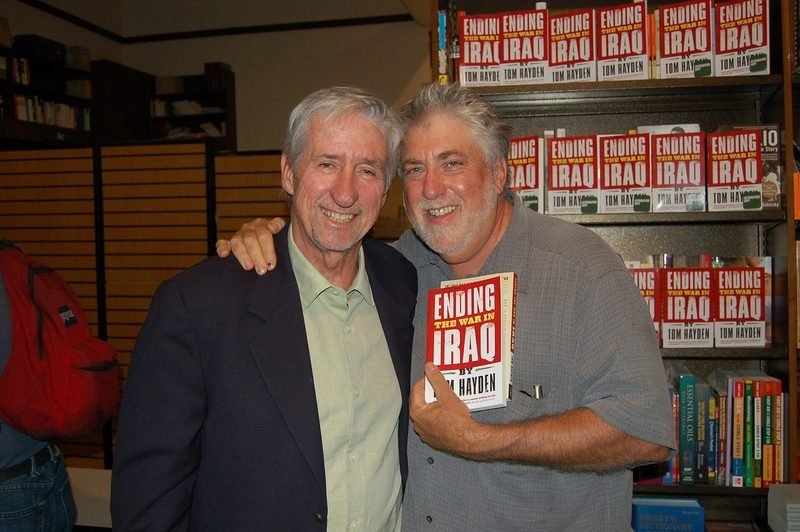
Tom Hayden — Photo: Thomas Good, CC BY-SA 4.0

Tom Hayden

Student organizer and later legislator

Who they were. A co-founder of Students for a Democratic Society (SDS) and the main author of its 1962 Port Huron Statement, which became a founding document of the student movement.

Their objection. Hayden opposed the war as a violation of American ideals and organized protests against it. He was one of the Chicago Seven, tried after the protests at the 1968 Democratic National Convention. He later served in the California Assembly and Senate. He died in 2016.

Source: Britannica, Tom Hayden

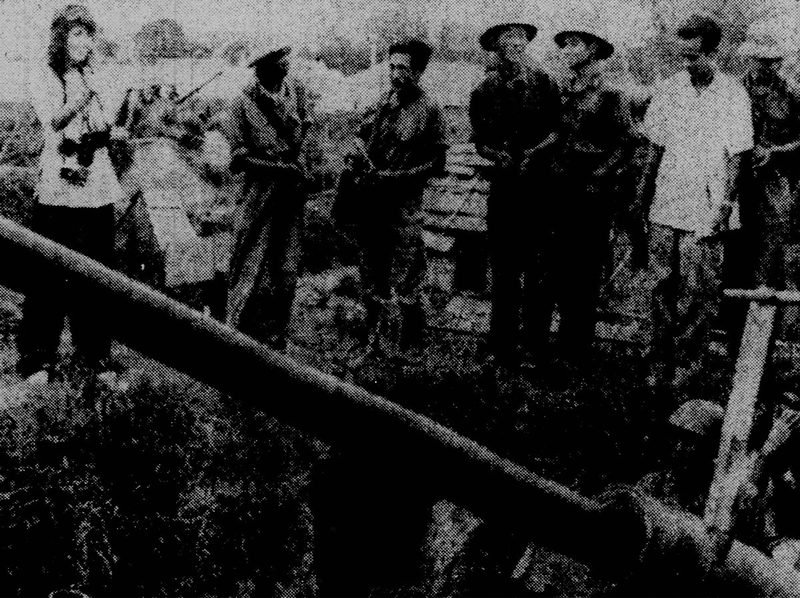
Jane Fonda — Photo: Unknown author, public domain

Jane Fonda

Actress

Who they were. An Oscar-winning actress who became an outspoken opponent of the war in the late 1960s.

Their objection. Fonda spoke at rallies and took part in “Free the Army” events for service members and their families. In July 1972 she spent two weeks in North Vietnam, visited American prisoners of war, and criticized U.S. bombing. Near the end of her visit she was photographed sitting on an anti-aircraft gun. Many Americans, especially veterans, were angered by this, and she was given the nickname “Hanoi Jane.” She has defended the purpose of her trip, but has said that some of her actions and words were thoughtless and careless. It remains one of the most controversial acts of the antiwar movement.

Source: Alpha History, Jane Fonda

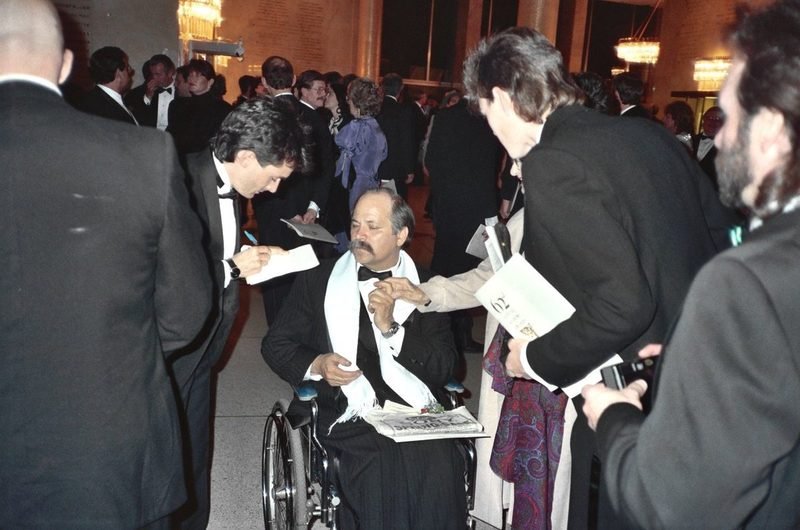
Ron Kovic — Photo: Alan Light, CC BY 2.0

Ron Kovic

Marine veteran, author and activist

Who they were. A Marine sergeant who was paralyzed in Vietnam in January 1968 and later joined the antiwar movement as a veteran.

Their objection. Kovic opposed the war after seeing its cost firsthand, and he joined other veterans in protest. His memoir Born on the Fourth of July (1976) became a best seller, and Oliver Stone’s 1989 film of the book won an Academy Award.

See also: Kovic’s service and career

Source: Britannica, Ron Kovic

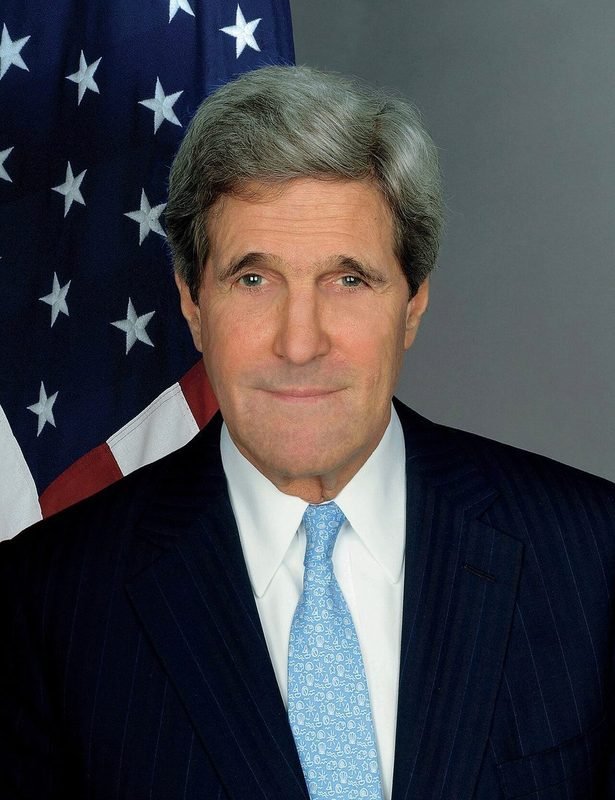
John Kerry — Photo: Department of State, public domain

John Kerry

Navy veteran and antiwar spokesman

Who they were. A decorated Navy officer who returned from Vietnam and became a spokesman for Vietnam Veterans Against the War.

Their objection. On April 22, 1971, he testified before the Senate Foreign Relations Committee, asking: “How do you ask a man to be the last man to die for a mistake?” He and other veterans also took part in a protest in Washington that month in which many returned their medals and ribbons. Kerry later became a U.S. Senator and Secretary of State.

See also: Kerry’s political career

Source: Britannica, John Kerry

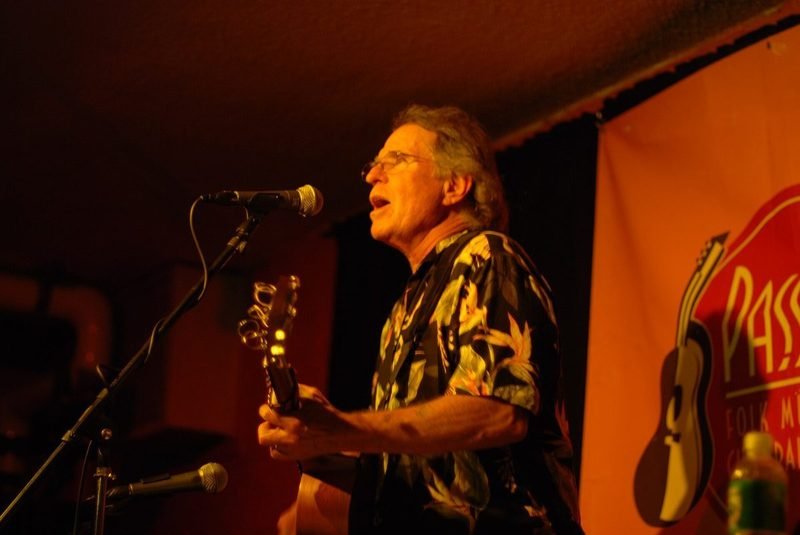
Country Joe McDonald — Photo: Thom C from Blackstone Valley, United States, CC BY 2.0

Country Joe McDonald

Navy veteran and musician

Who they were. A Navy veteran who formed the band Country Joe and the Fish in Berkeley, California, in 1965.

Their objection. He wrote the satirical song “I-Feel-Like-I’m-Fixin’-to-Die Rag,” which mocked the war. In 1969 he performed it solo at Woodstock before a crowd of about half a million, and it became one of the best-known protest songs of the era. He died in March 2026 at age 84.

Source: NPR, Country Joe McDonald dies at 84

Facts and dates come from the sources linked in each entry. People held many views of the war and of the protesters, and veterans disagreed with each other. If you know of someone who should be added, let us know. See something to correct? Email us.

More: Equipment · Veterans in politics · Famous veterans · Protesters · Women in the war · Timeline